

Introduction:
The fitness industry has convinced many people that exercising harder and losing weight automatically leads to better health. Social media is full of transformation photos and challenges like “Lose 10 Pounds in 30 Days,” making weight loss seem like the ultimate fitness goal. However, why fitness is not just about weight loss is something that fitness trainers, nutritionists, and healthcare professionals understand very well. True fitness goes far beyond the number on the scale.
Being fit involves building strength, improving flexibility, increasing endurance, boosting energy levels, and maintaining mental clarity. It is not just about losing weight or looking good—it is about living a healthier, stronger, and more active life. When you understand why fitness is not just about weight loss, you begin to focus on long-term health, overall wellness, and sustainable habits instead of chasing quick results.
In this complete guide, you will discover why fitness is not just about weight loss and learn how strength, mobility, endurance, mental well-being, and healthy lifestyle habits define true fitness.
The Issue With the “Weight Loss Equals Fitness” Fallacy:-
Why is It Bad to Have This Attitude?
What is the Matter With the “Weight Loss Equals Fitness” Principle?
There are several issues with the “weight loss equals fitness” principle:
It is Unsustainable: Dieting fast for rapid weight loss causes people to binge eat and waste away their muscles and bone tissue and experience yo-yo diets. Within 1-2 years almost all of them regain their lost weight.It Does Not Take Into Account Your Muscles and Bone Density. Unhealthy weight loss with no strength training makes you lose muscle and bone mass, which makes you more susceptible to injuries.
It Encourages Destructive Self-Talk:When there is no change on the scales, even when you sleep enough, become stronger and more energized, you are discouraged from further attempts.Fitness involves not just your heart being healthy and strong, flexible and balanced
but also your mental state.It Rewards You for correct Behavior. Calorie deficit and overtraining may lead to some weight loss but later on will be harmful.
What the Data Suggests:
1:-Up to 80 to 95% of people who have lost weight using a diet will regain it within 5 years.
2:-Strength training assists in extending life, improving bone mass and quality of life without losing weight.
3:-The ones focusing more on behaviors (e.g., maintaining a healthy diet and being active) rather than losing weight are generally happier and healthier.
What True Fitness Actually Includes
True fitness is a 360-degree approach that touches every aspect of your life. Here are the 6 core pillars:
1.Strength and Muscular Fitness:-
Muscular strength is not about being bulky; it is about capability. Benefits of strong muscles include providing support to your bones and joints, enhancing your balance and helps in avoiding falling down (especially with aging), Increasing metabolism and boosting energy. In conclusion, it should be noted that one should concentrate on developing strength rather than losing weight.
2. Cardiovascular Fitness:-
Your heart and lungs constitute the engine of your body. This is what it means to have good cardiovascular fitness:You will not feel tired while walking, climbing, or running.You will maintain a healthy blood pressure level as well as cholesterol
3.Mobility and Flexibility:-
Mobility is the ability of your body to go through the whole range of movements whereas flexibility is the ability of your muscles to stretch. Mobility and flexibility both can:
Help avoid stiffness and joint pain
Avoid injuries
Make your movement graceful and efficient
Improve your posture and avoid backache
Here are some simple things you can do: Stretching, Yoga, Dynamic Stretching, or even foam rolling.
4. Balance and Stability:-
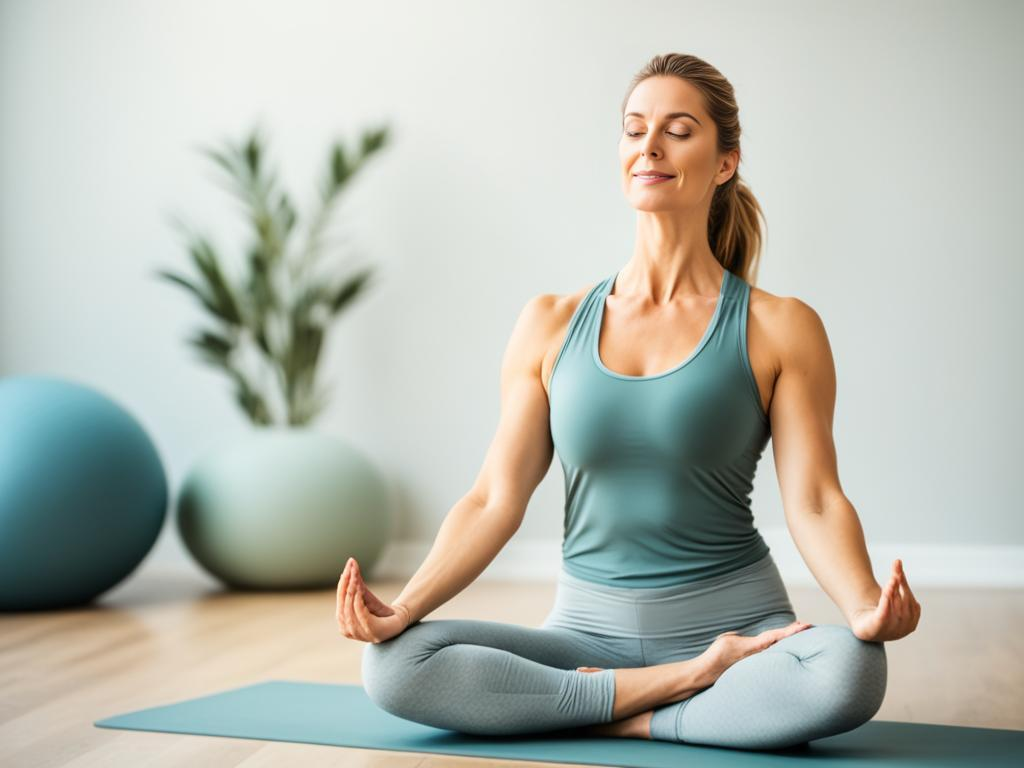
Maintaining balance isn’t just about yoga moves. Balanced fitness helps you in the following ways:
Reduce chances of falls and injuries.
Coordination improvement.
Ability to regain stability when you slip or face an unstable surface.
Maintaining independence as you grow older.
Tip for training: Try single-leg stance, balance board exercises, and functional exercises such as walking on uneven surfaces.
5. Mental and Emotional Health:-
It’s not just about physical fitness, but fitness as a whole. One of the most efficient ways to:
Release stress and anxiety
Enhance mood and self-confidence
Concentration improvement
How does that occur? Exercise triggers the release of endorphins, reduces the amount of cortisol (stress hormone) and improves your sleeping pattern.
6. Rest, Recovery, and Sleeping:-
During recovery, you will get stronger. Proper rest and sleep helps in the following ways:
Muscle repair and restoration,Hormones regulation (includes hunger and stress hormones)
Conclusion: You cannot train through lack of good sleep. Resting is an important part of fitness.

*The Benefits of Fitness Beyond Weight Loss:-
When you focus on true fitness instead of just weight loss, you gain:
| Benefit | How It Shows Up in Real Life |
| More Energy | You wake up refreshed, not tired all day |
| Better Sleep | You fall asleep faster and wake up less during the night |
| Stronger Bones | You reduce risk of fractures and osteoporosis |
| Improved Mood | You feel calmer, happier, and more confident |
| Lower Disease Risk | You reduce risk of heart disease, diabetes, and high blood pressure |
| Increased Mobility | You can bend, stretch, and move without pain |
| Better Balance | You’re less likely to fall or get injured |
| Longevity | You live longer, healthier, and more independently |
| Confidence | You feel capable, not just “thin” |

How to Change Your Fitness Mindset (From Weight Loss to True Health)
Step 1: Find New “Whys” for Your “Why”:-
Think about these questions:
“What exactly is my physical health going to help me do?”
“Do I want to be stronger, more energized, get better sleep, or experience less pain?”
“How am I going to know that I’m winning without weighing myself every day?”
Keep track of your answers and put them where you can see them often.
Step 2: Write Down Other Goals:-
Write down other things apart from weight goals, like:
Flexibility: Better flexibility, less stiffness.
Energy: Being more energized, waking up feeling awake.
Sleep: How many hours did you sleep, sleep quality, how did you feel after waking up, peaceful and happy.
Step 3: Celebrate the Wins You Don’t Measure on the Scale:-
Celebrate whenever you:Do a workout you haven’t done before, Sleep soundly throughout the night, Felt less stressed.
Step 4: Train in All Areas:-
Your fitness routine should include all of the following:
Strength (2-4 times a week): Body-weight, free weights, or resistance training.
The Bottom Line: “Fitness Is Life, Not Calculating Weight”

Rather than focusing on weight loss and making your body look a certain way, fitness will allow you to have a life that is:
💪 Feel Stronger Every Day
Improve your strength and handle daily activities with greater ease.
⚡ Stay Full of Energy
Keep your energy levels high and avoid feeling tired throughout the day.
🧠 Develop a Positive Mindset
Build confidence and focus on what your body can achieve.
🌱 Build Sustainable Habits
Create healthy routines that support lifelong fitness and wellness.
😊 Enjoy Every Workout
Turn exercise into an activity you genuinely look forward to instead of forcing yourself
Fitness is not about having a certain appearance. Fitness is about leading an energetic and healthy life. Weight is just another measurement, and most of the time it is quite irrelevant. Fitness should be measured via strength, energy levels, sleep, mood, movement and balance.
To start right now you need to find out your “why.” Set up behavior-related goals. Focus on the right measurements. Celebrate non-scale wins. And remember that fitness is far more than weight loss.
Action Steps to Take ASAP:-
✍️ Define your fitness “why” (not losing weight)
🎯 Establish 2-3 goal statements focused on behaviors (e.g. take a 30-minute walk, five times a week)
📊 Measure strength, energy levels, sleep, and mood—not only weigh yourself
🏋️ Introduce strength training 2-4 times a week
🚶 Move daily (walk, climb stairs, stretch)
😴 Get 7-9 hours of sleep each night
🎉 Celebrate victories off the scale each week
“Your body does not need to be smaller. It needs to be strong, healthy, and competent. That is fitness.”