

Introduction:-
Most people picture fitness as hours spent lifting weights in the gym, sweating through intense cardio sessions or following structured workout classes. But the truth is far more liberating: fitness isn’t just about the gym. Real fitness is a 360-degree lifestyle that touches every aspect of your daily life—from how you move, what you eat, how you rest and even how you manage stress.
If you’ve been waiting for the “perfect” time to start because you don’t have a gym membership, time or equipment: this article will show you why that mindset is holding you back. You can build strength, endurance and health without ever stepping inside a fitness center. The key is understanding what fitness truly means and how to make it work for your real life.
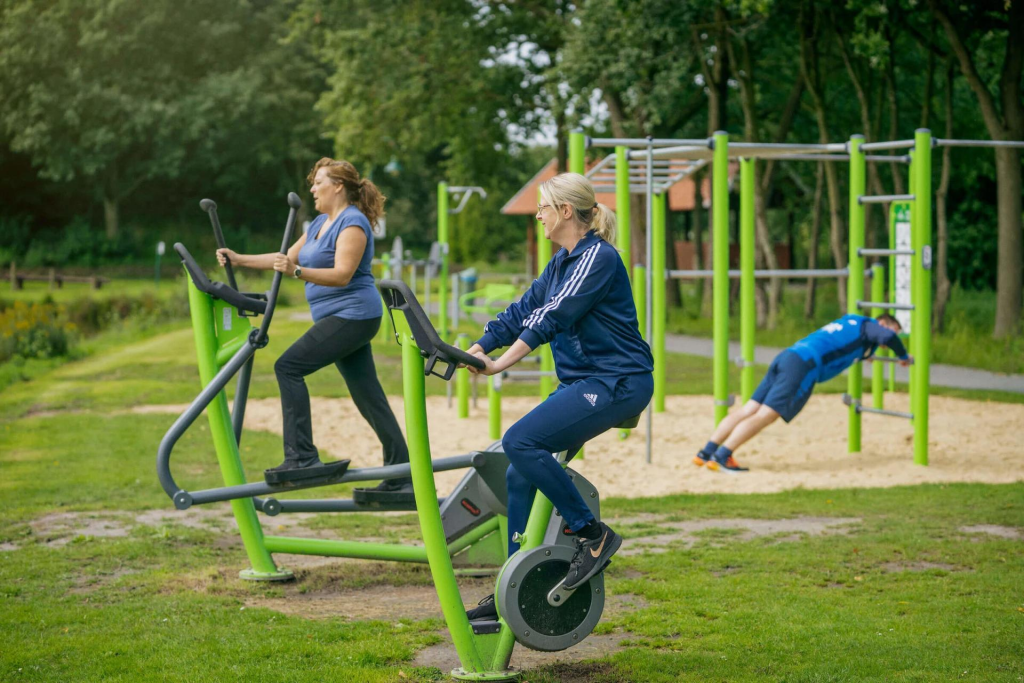
Benefits of Fitness Beyond the Gym
The fitness industry, social media and advertising have shaped a powerful narrative: if you want to be fit, you need to go to the gym. This idea persists because:
- Gyms offer controlled environments with equipment and trainers.
- Workout culture on social media often shows people in gym settings.
- Many commercial fitness programs are built around gym-based routines.
But this narrow view creates unnecessary barriers. People assume they need expensive memberships, fancy machine or hours of free time—when what they really need is consistency and a clear purpose.

What Actually Defines Fitness :-
Fitness means that the body has the ability to engage in activities that you want with comfort and joy. This is irrespective of the weight that you can carry or the speed at which you can move. This refers to having enough energy, power and flexibility to experience life.

Answer this question:
1:What are you trying to become fit for? (Having fun with your children, hiking, climbing stairs without getting tired, working hard without hurting yourself)
2:Which activities will help you achieve that?
3:How can you prioritize those activities?
“Fitness, which is linked to your personal goals, will be something that is more than a routine.”
5 Essential Pillars of Fitness
True fitness goes far beyond exercise. Here are the five pillars that create lasting health and strength:
1.Nutrition: Eating Right to Perform Well:-
Food is directly linked with the way you feel, perform, and recover. Nutrition provides: 1-Energy for the day
2-Recovery and development of muscles
3-Health for years to come and disease prevention
Concentrate on:
Eating healthy food (vegetables, fruits, lean protein, whole grain)
Getting enough protein to help your muscles recover
Balanced meals that make you feel energized

2.Mental Well-being: Physical Fitness Is Not Enough:-
Being fit is not only about having good shape and muscles. Exercise is a way to relax and to develop emotional resilience and focus. Mental well-being involves:
Stress relief through breathing, meditation, and mindfulness
Developing good habits to increase self-confidence
Keeping yourself socially engaged
While exercise helps your mind stay fit, you also need rest, relaxation, and self-improvement.
3.Rest and Recovery: When You See Progress:-
It’s not while you are exercising that your body gains strength. Recovery consists of:
Sleeping (7-9 hours per night)
Stretching
Rest days to avoid burnout and injuries
Without enough rest, you stop progressing and become more vulnerable to injuries.
4.Balance and Mobility: Move Better Each Day
Getting fit is not about moving more weight but moving better and maintaining agility to avoid injury in everyday activities. Important components include:
1:-Range of motion and flexibility
2:-Core stability and posture
3:-Coordination and balance for daily activities
4:-Add some form of stretching, yoga, or simple mobility exercises to your routine, including at home.

5.Consistency: True Secret to Being Fit:-
It does not matter how much time you exercise but whether or not you stay consistent in doing it. It is better to do ten minutes of activity each day than one miserable two-hour workout weekly.
Being consistent means:
Regularly moving your body on most days, even mildly
Developing habits that fit your way of life
You Don’t Need a Gym to Get Fit
Many people believe that getting fit requires a gym membership, expensive equipment, and hours of training. The truth? Fitness is about consistent movement and healthy habits—not where you work out.
Myth vs. Reality:-
| ❌ Myth | ✅ Reality |
| You need a gym to get fit. | You can build strength, improve health, and stay fit anywhere. |
| Fitness requires expensive equipment. | Bodyweight exercises can be highly effective. |
| Workouts must be long to work. | Even 15–30 minutes of daily activity can make a difference. |
| The gym is the only place for results. | Your home, park, or neighborhood can be your fitness space. |
The Bottom Line:
“Fitness isn’t about where you train—it’s about how consistently you move, eat, recover, and take care of your body.”
Effective No-Gym Exercises:-
You can build strength, endurance, and flexibility with simple tools:
- Bodyweight training: squats, lunges, push-ups, planks
- Pull-up bar: for back and arm strength
- Free weights: dumbbells or kettlebells at home
- Cardio: running, cycling, swimming, or power walking in a park
- Mobility work: yoga, stretching, dynamic stretching routines
Even power walking 15–30 minutes daily can keep you fit if combined with good nutrition and rest
How to Build a No-Gym Fitness Routine:-
Step 1: Define Your Purpose
Start by asking: What do I want my fitness to help me do?
- Walk long distances without fatigue?
- Reduce back pain?
Your purpose becomes your anchor when motivation fades.
Step 2: Choose Activities That Fit Into Your Life
Pick 2–3 activities you enjoy and can do consistently:
- Walking or jogging outside
- Home strength workouts (15–20 minutes)
- Dancing, cycling, or swimming
- Playing sports with friends or family

Step 3: Create a Simple Schedule
Set weekly plan:
- Monday: 20-minute bodyweight workout at home
- Tuesday: 30-minute walk
- Wednesday: 15-minute yoga + stretching
- Thursday: 20-minute strength (squats, push-ups, planks)
- Friday: 30-minute walk or bike ride
- Saturday: Playtime (kids, sports, hiking)
- Sunday: Rest + light stretching
Stick to the plan, but don’t panic if you miss a day simply Adjust and continue.

Step 4: Track Progress Beyond the Scale
Measure what matters:
- Energy levels
- Mood and stress
- Strength improvements (more reps, longer holds)
- Endurance (walking longer, climbing stairs easier)
- Sleep quality

Step 5: Build Accountability and Support
- Share goals with a friend
- Join online communities
- Use habit-tracking apps
- Hire a coach if needed for guidance
Accountability makes consistency easier.
Common Obstacles and How to Overcome Them
| Obstacle | Solution |
| No time | Do 15-minute workouts; break activity into small chunks |
| No equipment | Use bodyweight exercises; buy one pull-up bar or dumbbell |
| No motivation | Focus on your “why”; track small wins; build habits, not intensity |
| Busy schedule | Shorter workouts; home routines; walk during breaks |
| Injury or pain | Focus on mobility, low-impact cardio, and recovery |
| Travel or holidays | Bodyweight routines; walk more; stay consistent with nutrition |
Remember: “Consistency beats intensity. Missing a week isn’t failure—it’s data. Identify the cause and adapt.”
Final Thoughts:
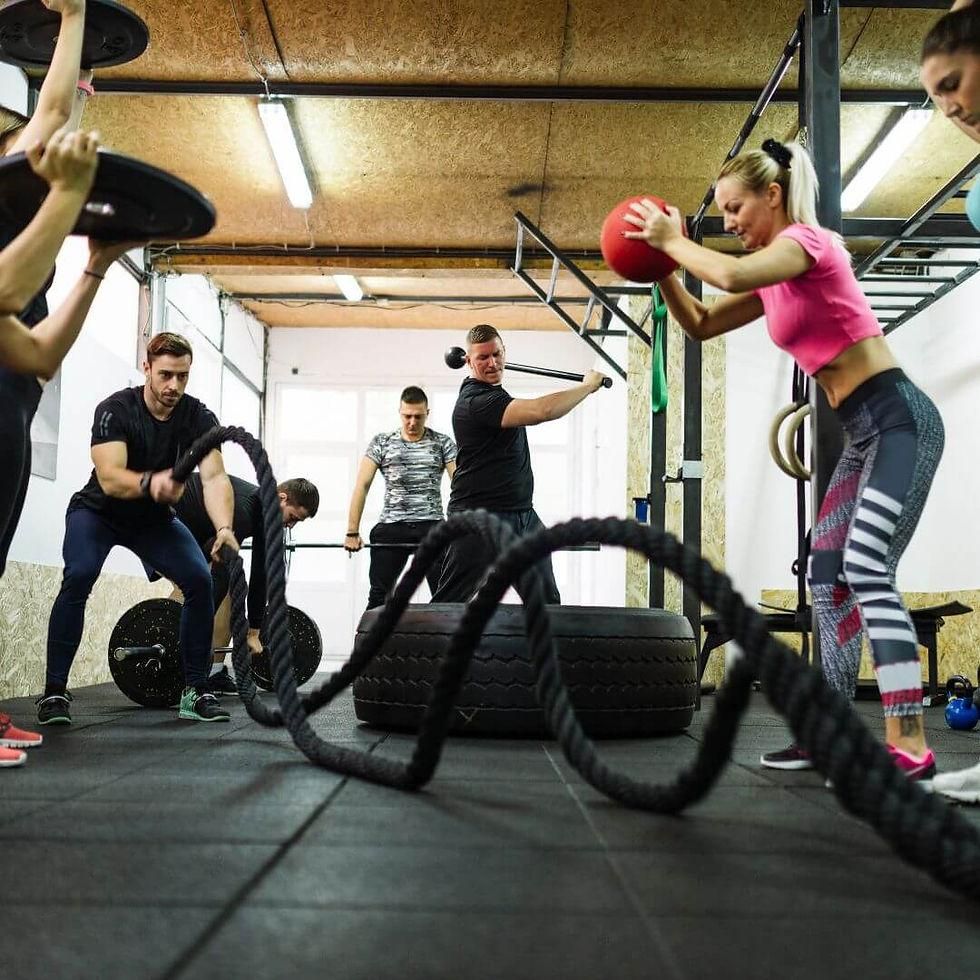
Fitness Is What Works for You:-
Fitness isn’t about access to a gym—it’s about consistency, effort and purpose wherever you are.The best fitness routine is the one you’ll actually do, not the one that looks perfect on Instagram.
Start small. Define your purpose. Choose activities you enjoy. Build consistency. Track progress beyond weight. Recover well. Eat nourishing food. Support your mental health.
When you stop waiting for the “right” conditions and start moving today, you’ll discover that fitness isn’t a place. It’s a practice. And that practice is available to you right now, in your home, your neighborhood, and your daily life.
Fitness isn’t just about the gym. It’s about living a life where you feel healthy, energized, and capable of taking on any challenge.
Quick Action Checklist:-
- Write down your “why” for fitness
- Choose 2–3 activities you enjoy
- Schedule 15–30 minutes daily for movement
- Track energy, mood and strength—not just weight
- Prioritize sleep, nutrition and recovery
- Build accountability with a friend or app
- Celebrate small wins weekly
Start today. Your body doesn’t need a gym:-It needs you.