

Introduction:-
People often use the words “health” and “fitness” interchangeably, assuming they have the same meaning. For example, many people say, “I am improving my health,” when they actually mean they are becoming more physically fit through exercise and healthy habits. Similarly, someone might say, “I am becoming fit,” when their real goal is to improve their overall health. However, health and fitness are two distinct concepts. Although they share some characteristics, they differ in both purpose and meaning. Therefore, understanding the difference between health and fitness is essential. Otherwise, confusing the two can lead to poor decisions, such as following an improper diet or overtraining. As a result, you may believe that being fit automatically means you are healthy, or you may think that good health eliminates the need for regular exercise. In reality, both health and fitness work together, and maintaining both is essential for long-term well-being.
In this article, we will discuss:
Definition of health and fitness
How they differ from one another
Their importance in combination
Mistakes in defining them
How to develop health and fitness at the same time
Let’s Explore the Difference Between Health and Fitness.
What Is Health? (A Comprehensive Overview)
Definition:-
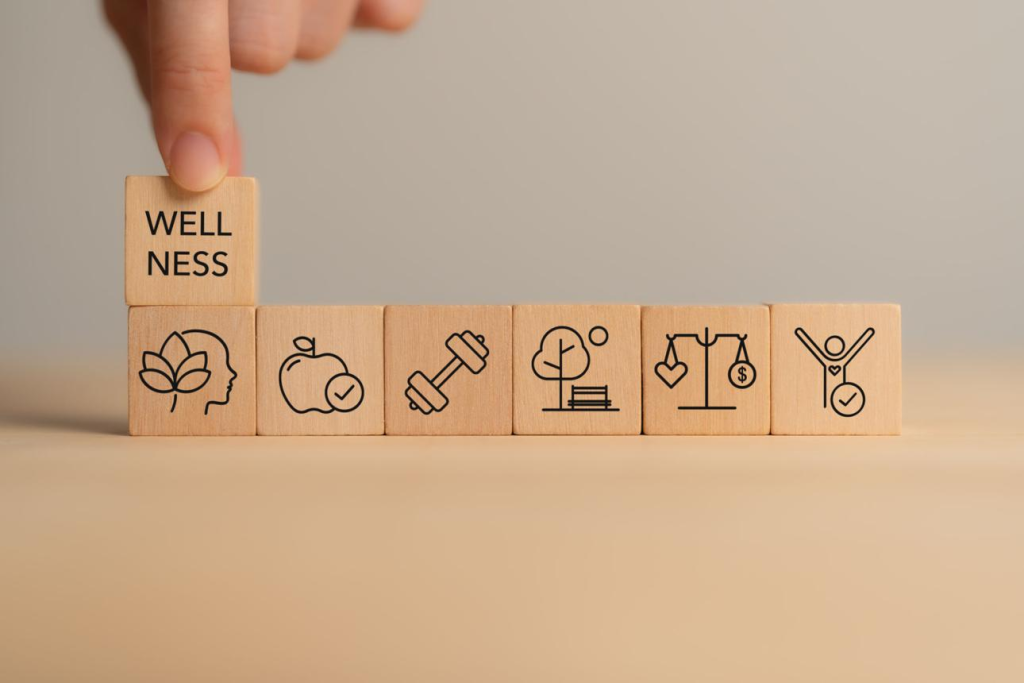
Simply put, health is not just the absence of diseases or injuries Instead, it includes complete physical, psychological, and social well-being. Health is vast. It comprises all factors that impact the functioning of your body and mind throughout your entire life span.
What Health Includes:-
| Area | What It Means |
| Physical Health | How well your body systems work (heart, lungs, digestion, immune system, hormones) |
| Mental Health | Your emotional well-being, stress management, mood, and cognitive function |
| Social Health | Your relationships, community connections, and support systems |
| Nutritional Health | How well you fuel your body with the right nutrients |
| Sleep Health | Quality and quantity of rest (7–9 hours nightly for most adults) |
| Preventive Health | Regular check-ups, vaccinations, screenings, and early disease detection |
| Lifestyle Health | Habits like avoiding smoking, managing alcohol, staying active, and reducing stress |
How Healthcare Professionals Measure Health?
Healthcare professionals determine your health using the following factors:
Blood testing: Cholesterol level, blood glucose level, vitamins, hormones.
Medical testing: Blood pressure, heart rate, BMI, organ function.
Psychological testing: Stress, anxiety, depression score, mood.
Life style evaluation: Sleep quality, diet quality, social network, physical activity.
Take-home message: Health is not a matter of appearance or physical strength but a system’s functioning.

What is Fitness?(Specific Skill)
Definition:-
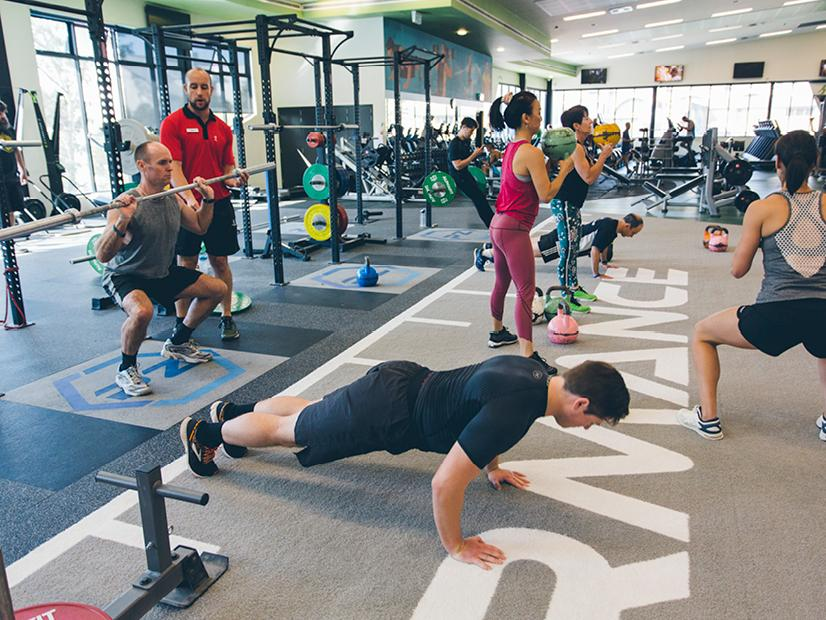
Fitness is the capacity to execute physical activities using strength, stamina, flexibility and coordination. Fitness is a measurable ability that you can develop through consistent training. It deals with what the body can do physically.

What Fitness Includes:-
| Component | What It Means |
| Strength | How much force your muscles can generate (lifting, pushing, pulling) |
| Endurance | How long you can sustain activity (cardiovascular and muscular) |
| Flexibility | How well your muscles and joints move through their full range |
| Balance | Your ability to stay stable and prevent falls |
| Coordination | How well your body parts work together during movement |
| Power | How quickly you can generate force (speed + strength) |
| Agility | How quickly you can change direction or position |
Fitness Measurement:-
You can measure fitness using the following components::
Strength assessments: Max reps, weights lifted, number of pushups, plank hold.
Endurance assessments: Distance run, pace, cycling speed, number of swimming laps.
Flexibility assessments: Distance achieved on sit-and-reach test, range in yoga poses.
Cardio assessments: VO2 max, resting heart rate, blood pressure under exercise conditions.
Main point: Fitness relates to physical ability–the strength, speed, and capability of your body in move.
The Critical Insight:-
You can stay physically fit without being truly healthy.
Example: A competitive bodybuilder who lifts heavy weights, runs fast, and has great strength—but eats poorly, sleeps 4 hours nightly, has high stress, and shows signs of depression. Their fitness is high, but their health is low.
Likewise, you can be healthy without being physically fit. For example, a person may enjoy excellent blood test results, quality sleep, low stress, and balanced nutrition. However, if they rarely exercise or cannot run a mile, their health remains strong while their fitness level stays low.
“True well-being requires both.”
Understanding Why People Confuse Health and Fitness
1. Marketing and Media:-
Marketing and media in the world of fitness do not help at all:
“Train to be healthy” sayings
“Before and after” pictures showing weight loss
Fitness trackers that do not show how many hours you have slept and how stressed you feel
Social networks that promote “gains” rather than health


2. Visual Effectiveness:-
Fitness is visual. You can see yourself getting bigger muscles, losing weight or getting faster. Health is often not visual. You may look healthy on the outside, but you cannot see your cholesterol, hormone levels, or blood glucose without regular health checkups.
3. Intersection of Benefits:-
Physical activity promotes both health and fitness. Cardio helps your heart muscles (fitness) and decreases blood pressure (health). Weight lifting creates stronger muscles (fitness) and increases bone density (health).
Common Mistakes In Opting for One at the Expense of the Other:
Mistake 1: Favoring Fitness Over Health
What takes place: You work out hard, train hard and lift weights and run fast—but you ignore sleep, nutrition, stress management and mental health.
As a Result, You May Experience: followed by the bullet list. This is more engaging, active, and easier to read than simply writing “Outcome:”.
Mistake 2: Favoring Health Over Fitness
What takes place: You eat well, sleep well, manage stress and visit the doctor regularly—but do not exercise much.
Outcome:Weak muscle mass and bone density,Poor cardiorespiratory endurance,Impaired mobility and flexibility,Increased risk of falls and injuries in old age.
Mistake 3: Employing the Wrong Metrics
What takes place: You monitor either your weight or just workout repetitions, overlooking the broader picture.
Outcome: You lose weight but also lose muscle and energy. You build strength, but you also increase your stress levels. ✅
How to Boost Health and Fitness Together:-
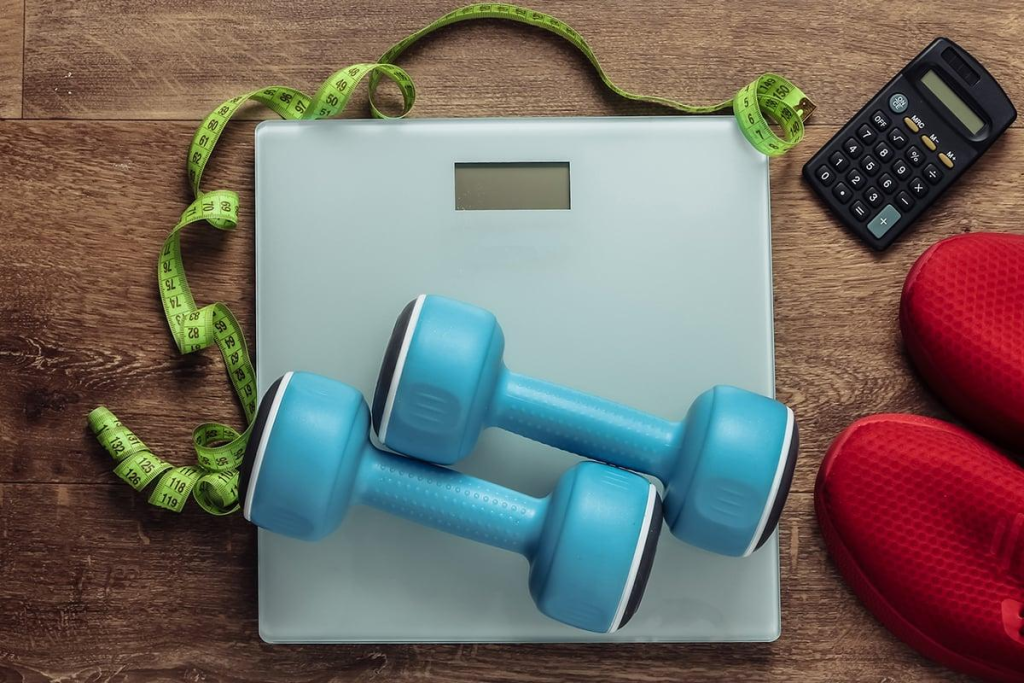
The best approach isn’t to choose one—it’s to build both simultaneously. Here’s how:
Step 1:- Health vs Fitness-
Do not jump into training for fitness; simply lay the foundation for health first. Sleep for a good 7-9 hours each night. Intake diet fill with Proper nutrition with proteins, fibers, and good fats. Maintain a good social circle as peer groups helps in diverting unnecessary stress accumulated in the body.
“Reason: Health is the backbone of fitness training.”
Step 2: Incorporate Fitness Training
Start by improving your health, and then focus on building your fitness.
Strength training: 2–4x/week (using bodyweight, free weight, and resistance exercises)
Cardiovascular training: 3–5x/week (using walking, jogging, cycling, or swimming exercises)
Mobility training: Daily (stretching, yoga, and foam rolling)
Balance training: 2–3x/week (using single-leg standing exercises)

Step 3: Monitor Both
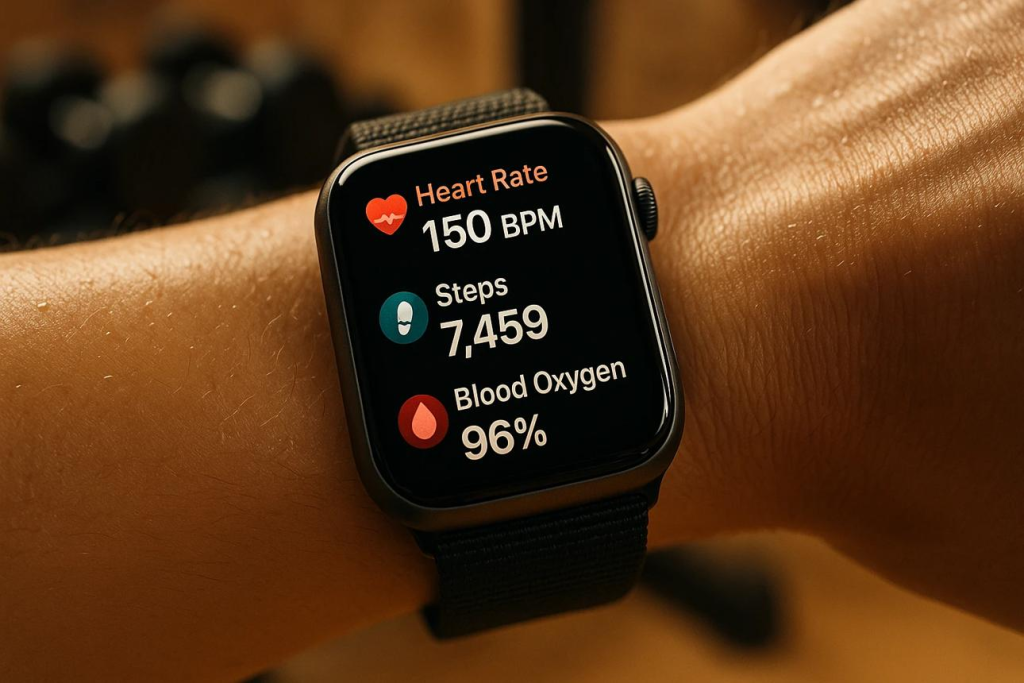
Sleep quality and quantity, Stress level,Mood and energy,Weight and body composition (monthly)
Monitor fitness:
Strength (sets and reps),Endurance (running time and distance),Flexibility (range of motion),Balance (how long can you stand) and Cardio (VO2 max, heart rate)
Why? To make sure that you’re becoming better as a whole.
Step 4:Importance of Health and Fitness
If you are:
Training hard but feeling exhausted → Get more sleep and nutrition
Eating well but still tight and weak → Strengthen your body
Stressed out despite being strong → Reduce intensity and manage stress
In good health but very inactive → Exercise more
Why: Because balance needs adjustments.
The Bottom Line: Health and Fitness Go Hand in Hand, But They’re Not The Same

Health is the state of your whole body, mind, social life and habits. It’s the key to a happy and independent life.
Fitness is how physically capable you are. It’s your strength, endurance, flexibility and coordination. It enables you to function properly.
Both are necessary. If you focus only on fitness, you may experience burnout and injuries. Likewise, if you ignore fitness, you may lose strength and mobility.. Both give you real health.
Don’t confuse them. Build both.
Quick Action Checklist:-
- ✅ Health: Sleep 7–9 hours nightly
- ✅ Health: Eat balanced meals with protein and fiber
- ✅ Health: Manage stress (breathing, meditation, hobbies)
- ✅ Health: Get regular check-ups and blood work
- ✅ Health: Build strong relationships and community
- ✅ Fitness: Strength train 2–4x/week
- ✅ Fitness: Cardio 3–5x/week (walk, jog, cycle, swim)
- ✅ Fitness: Mobility daily (stretch, yoga, foam roll)
- ✅ Fitness: Balance 2–3x/week
- ✅ Track Both: Health metrics + fitness metrics

“Ultimately, by prioritizing both health and fitness, you can build a healthier, stronger, and longer life.