

Introduction:
Beginning a journey into fitness can be exhilarating at first. Individuals begin with high levels of motivation and visions of transforming their lives. However with time motivation does not appear to be sufficient in achieving results. The absence of motivation is the reason why individuals fail to implement their plans. Your way out of your current state of affairs will not involve forcing yourself to stick to your plans through the use of will power. Instead, what is needed is the establishment of realistic, achievable and measurable goals. Defined goals give you direction and help you to measure your achievements. Whether it is strength gain, stamina improvement, weight loss, muscle gain or improved way of living: you have to learn how to define realistic goals that are relevant to your fitness. Well-defined goals refer to goals that are specific and measurable.
This article introduces you to an easy step by step approach of creating realistic and measurable goals that will produce tangible results to your fitness plans.
Remember: “Fitness plans work best when they’re not based on perfectionism but consistency.”
Why many fitness goals fail:
- Vague and Unclear Goals: Goals that include “to get fit,” “to lose weight” lack direction. The absence of a specific target will make it impossible for one to make plans and keep track of the progress.
- Setting Unreasonable Expectations: The desire to achieve fast and significant results is common among many people. Failure to meet the set expectations leads to disappointment, which may make them give up.
- Not Measuring Progress: Failure to monitor how well one is performing in the gym through workout monitoring, body strength improvement, measurements, or behavior monitoring makes it difficult to tell where one is heading.
- Concentrating Only on Results: There are many people who concentrate only on results and not on habits. While results might motivate one, it is improvement of habits that will lead to success.
- Depending Only on Motivation: Motivation is not constant. People who are solely dependent on motivation find it difficult to maintain their fitness efforts.
- Overambitious Goals Set all at Once: When you have too many goals to accomplish simultaneously, such as losing fat, gaining muscles, running a marathon, and changing your diet completely at once, it becomes difficult. It’s always better to concentrate on one or two objectives to increase chances of success.
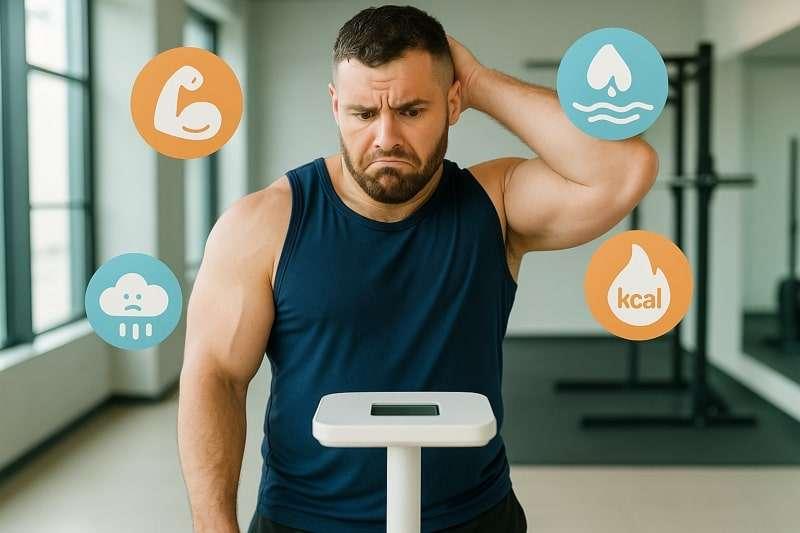




“Fitness goals that work best should be very specific, realistic, measurable, and accomplished through daily effort.”
Approaches for better success:
Step 1: Why You Are Doing It:-
Before setting a goal:- know what your “WHY” is. It may be related to health, energy, self-confidence, stress reduction or better performance; knowing your why will help you stay motivated even when you feel demotivated.
TIP: Write down your why in one sentence and put it where you can see it daily.

Step 2: Setting SMART Objectives:-
Fitness objectives must be:
Specific: Stating your objective clearly.
Measurable: Measuring your day-day progress.
Achievable: Setting Realistic Expectations.
Time-Bound: Setting up a desired time frame.

Step 3: Focus on Actions, Not Just Outcomes:-
Outcome goals define the result, while process goals define the actions that lead to success. Successful results come from consistent habits.
Step 4: Measure Your Progress:-
Measure your habits and your outcomes to be consistent with the routine. Check your improvements by lifting weights. Take minimum of 7 Hours sleep as it regulated your energy levels for the next day.
Step 5: Coordinate Your Workout and Nutritious Routine:-
Ensure that your workouts and your food intake coincide with your goal.
Fat Loss: A moderate amount of calories deficit, some strength training and cardio exercises.Muscle Building: Some progressive strength training and enough calories.Endurance Building: Regular aerobic exercises and recovery from workouts.
Remember to not to ignore sleep and stress management as they are important factors as well.

Step 7: Accountability:-
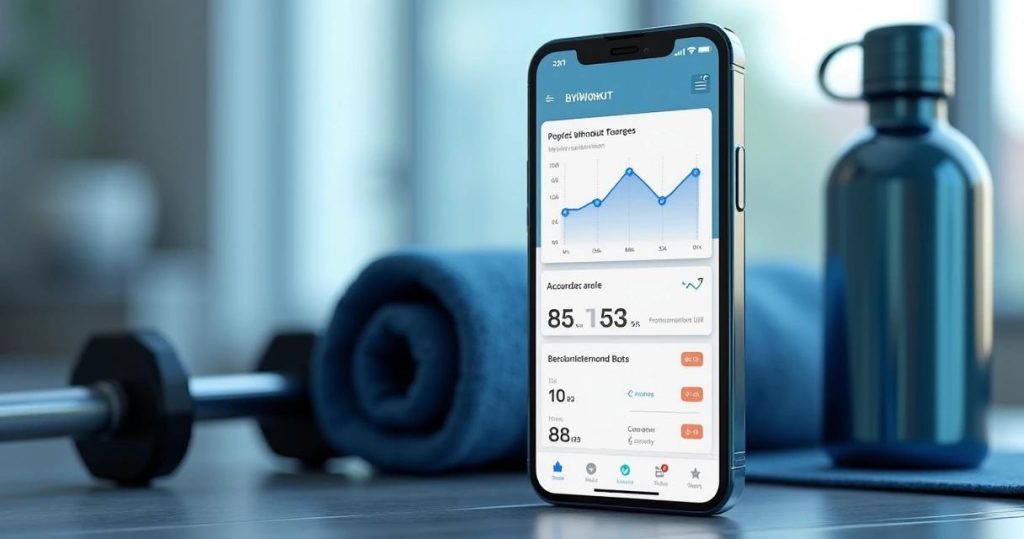
Accountability keeps you on track. It includes: A fitness partner probably coach/trainer ,Fitness applications ,Family and friends
Step 8: Periodic Check-Up and Evaluation:-
Check up on yourself and your training every 4-8 weeks.
You need to ask yourself questions such as: What is going right?
Is my goal still realistic and relevant?
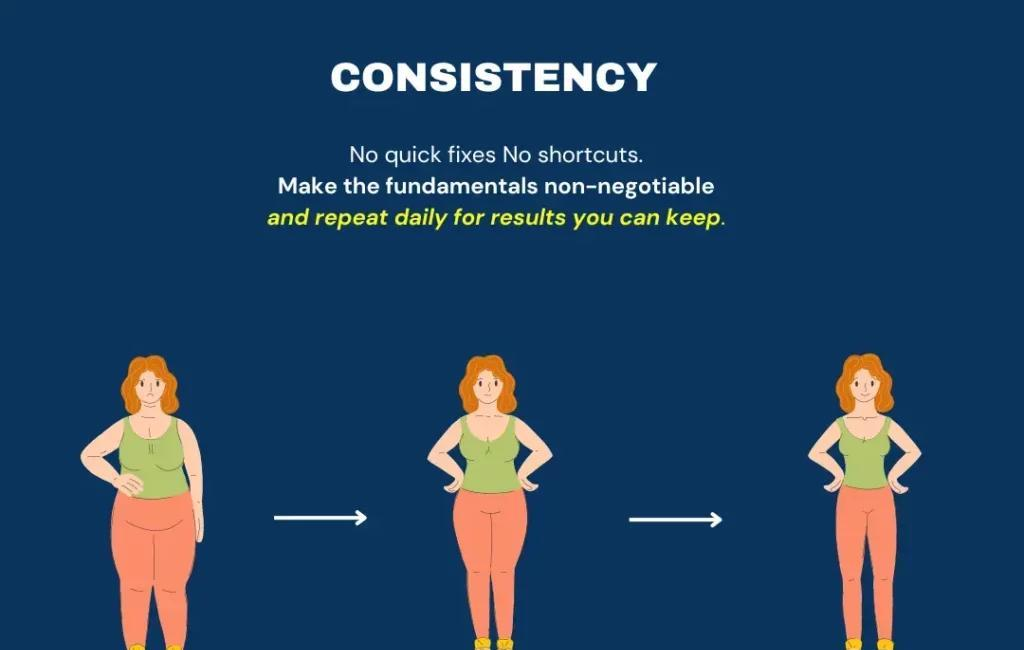
Key Takeaway:-
“Successful fitness goals are specific, measurable, and built on consistent daily habits—not short-term motivation.”
Quick Checklist for Setting Fitness Goals That Actually Work:
✅ Know Your Why :- Define the reason behind your goal. A strong purpose keeps you motivated when challenges arise.
✅ Set One Clear Goal:- Focus on a specific objective instead of trying to change everything at once.
✅ Focus on Habits, Not Just Results:- Build daily actions that support your goal, such as regular workouts, proper nutrition, and quality sleep.
✅ Break It Into Small Milestones:- Divide big goals into manageable weekly or monthly targets to stay motivated.
✅ Track Your Progress:- Monitor both your habits and results to understand what’s working and where you need to improve.
✅ Stay Consistent:- Progress comes from showing up regularly, not from being perfect every day.
Remember: The best fitness goals are realistic, measurable, and supported by consistent action.


CONCLUSION:
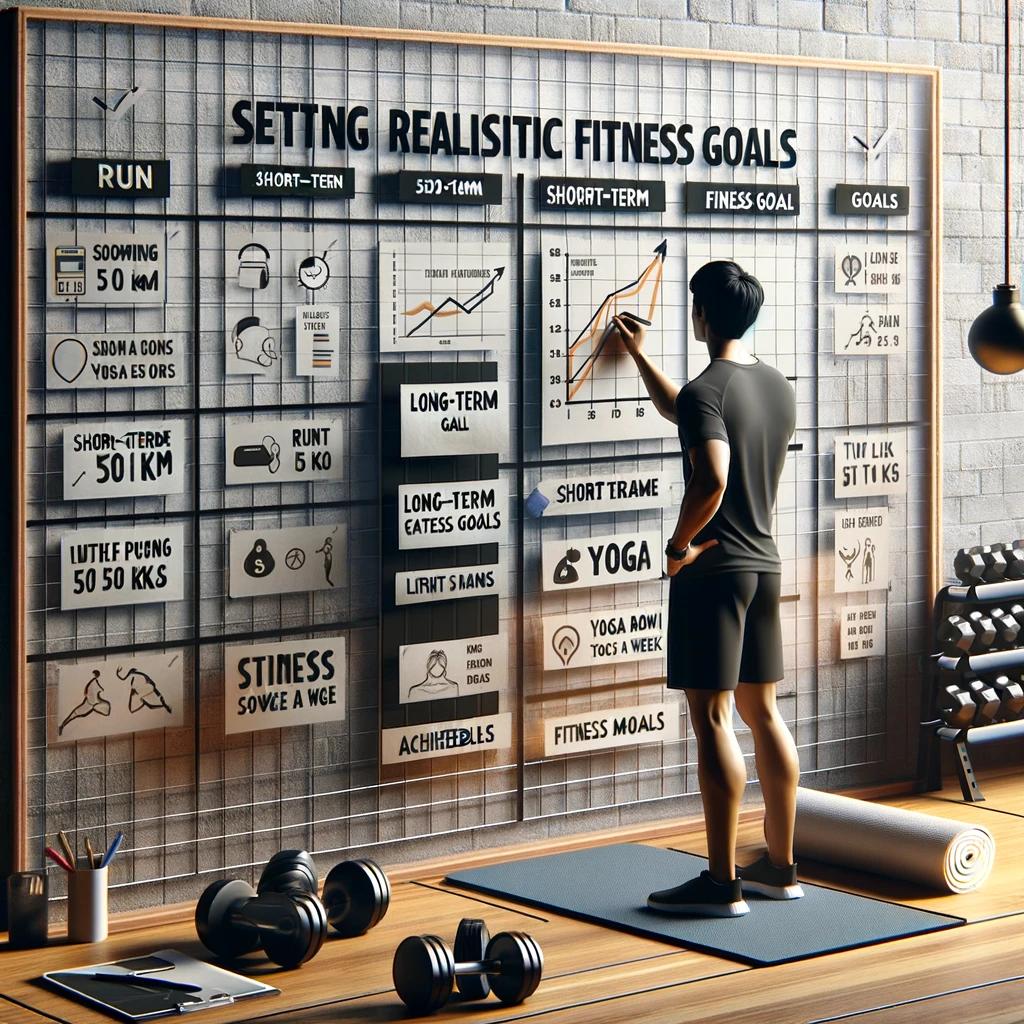
“Consistency beats intensity in the long run. The clearest sign your goal will work is whether it fits your life—tiny daily choices add up. Use the framework above to turn motivation into a reliable system and adjust based on real-world feedback.”